
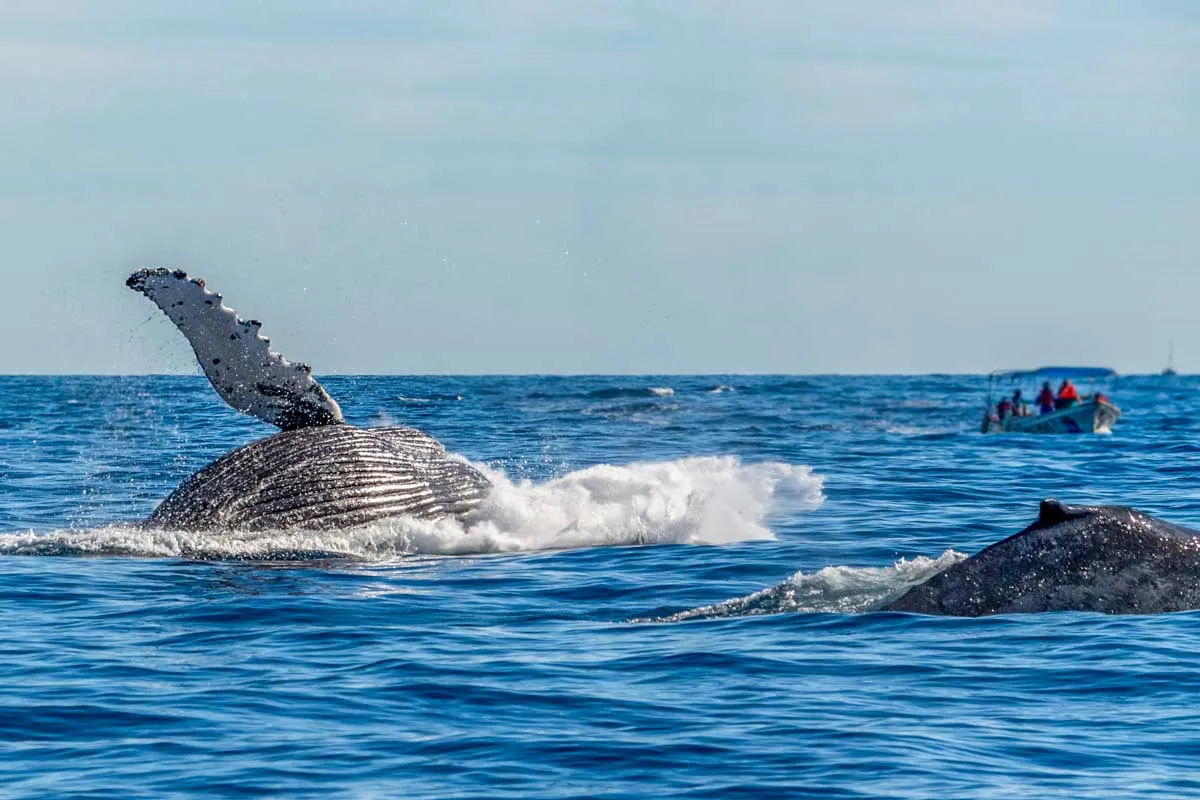
Sydney is home to one of the world’s most breathtaking marine spectacles, the annual migration of humpback and southern right whales. Whether you’re a local or a visitor, witnessing these magnificent creatures traverse the waters of New South Wales is an unforgettable experience. For anyone considering a whale watching tour Sydney is one of the best locations in Australia to immerse yourself in this awe-inspiring natural event.
When and Where to Spot Whales
The whale migration season occurs between May and November each year. During these months, thousands of whales migrate along Australia’s east coast from their feeding grounds in Antarctica to the warm waters of Queensland to breed. They then return south later in the year with their calves.
Sydney’s coastline provides an ideal vantage point for spotting these ocean giants. Headlands such as the Bondi to Coogee walk, North Head, and Cape Solander are renowned for land-based whale watching. However, for a closer look, taking to the water provides an unparalleled opportunity to observe these gentle giants up close.
What to Expect on a Whale Watching Tour
On a whale watching tour, you’ll be guided by experienced marine experts who can share insights into whale behaviour, biology, and conservation efforts. Expect to see awe-inspiring acrobatics such as breaching, tail fluking, and pectoral fin slapping, as well as more subtle behaviours like spy-hopping where whales poke their heads above water to look around.
Many tours prioritise eco-conscious practices, ensuring minimal disturbance to marine life while providing participants with a deeper understanding of these incredible animals. It’s also common to encounter other marine species like dolphins, seals, and seabirds during your tour.
Understanding Whale Conservation in Australia
The opportunity to experience whale watching in Sydney reminds us of the need to protect and conserve these extraordinary creatures. Australia has established protected areas and laws that support the conservation of whales and their habitats. An example of this is the required approach distance for boats—generally 100 metres for a single whale and 300 metres if calves are present. Keeping these regulations in mind helps ensure a safe and respectful whale-watching experience.
Tips for Whale Watching
- Check the Weather: Calm seas and clear skies enhance your chances of spotting whales.
- Bring Essentials: Sunscreen, a hat, and binoculars can improve your viewing experience.
- Dress for the Occasion: Layers are always a good idea given that ocean conditions can be unpredictable.
- Learn the Signs: Look out for whale “blows”, or spouts of water, rising into the air. These are often your first clue that a whale is nearby.
Taking part in a whale watching tour in Sydney is an extraordinary way to connect with Australia’s marine wildlife. With its strategic location along the whales’ migration route, Sydney offers truly world-class whale watching opportunities. Whether from the shore or a boat, these experiences offer a unique perspective on one of nature’s most incredible journeys.