
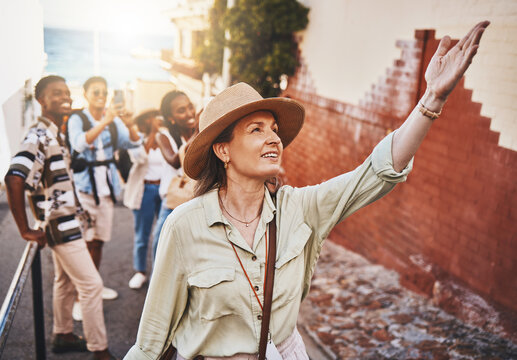
Tour guides have long been the linchpin of the travel experience, yet their role has evolved far beyond simply narrating historical facts or pointing out landmarks. Today, tour guides are immersive storytellers, cultural mediators, safety managers, and technology integrators. Advanced travelers increasingly seek guides who can provide nuanced insights, personalized experiences, and authentic cultural connections. This article explores the multifaceted responsibilities of professional tour guides, strategies for enhancing travel experiences, and trends shaping the future of guided tourism.
Understanding the Modern Tour Guide
Beyond Narration: The Knowledge Curator
Modern tour guides are not mere speakers; they are knowledge curators who transform information into engaging experiences:
-
Historical and Cultural Expertise: Guides must deeply understand local history, architecture, art, and customs to offer rich context.
-
Interdisciplinary Knowledge: Many guides integrate insights from geography, anthropology, and environmental studies to enhance the traveler’s perspective.
-
Storytelling Skills: Engaging narratives connect facts with emotion, helping visitors remember and appreciate their experiences.
Cultural Ambassadors
Tour guides serve as bridges between visitors and local communities:
-
Facilitating Respectful Interaction: They educate travelers about local etiquette, customs, and sensitive topics.
-
Promoting Local Economies: Guides recommend locally owned businesses, artisans, and cultural centers to support sustainable tourism.
-
Enhancing Authentic Experiences: By connecting travelers to community events, festivals, and workshops, guides foster genuine cultural engagement.
Specialized Roles of Tour Guides
Adventure and Outdoor Guidance
-
Safety and Risk Management: Guides ensure travelers navigate challenging terrains safely, from hiking trails to water-based adventures.
-
Environmental Stewardship: They promote responsible interaction with natural landscapes, teaching about flora, fauna, and conservation efforts.
-
Customized Adventure Experiences: Guides tailor routes and activities based on skill level, interest, and seasonal conditions.
Culinary and Lifestyle Tours
-
Food Exploration: Expert guides lead culinary tours that highlight regional ingredients, traditional cooking methods, and local dining etiquette.
-
Lifestyle Immersion: Tours may include workshops in traditional crafts, music, dance, or wellness practices.
-
Interactive Participation: Travelers gain hands-on experience, such as preparing meals or participating in cultural rituals.
Specialized Historical and Cultural Tours
-
Curatorial Insight: Guides working with historical districts, museums, or heritage sites provide in-depth context, including lesser-known stories.
-
Preservation Awareness: Guides often educate visitors about heritage conservation, instilling respect for cultural preservation.
-
Thematic Storylines: Tours can focus on specific themes like architectural evolution, political history, or local legends, offering enriched experiences.
Technology and Tour Guides
Integrating Digital Tools
Modern tour guides increasingly rely on technology to enhance experiences:
-
Mobile Apps and AR/VR Tools: Augmented reality and virtual reality can visualize historical events or lost structures for immersive understanding.
-
Digital Itineraries and Maps: Real-time navigation, scheduling, and travel updates improve efficiency and customization.
-
Interactive Feedback Platforms: Guides use traveler feedback to adjust tours, ensure satisfaction, and adapt content dynamically.
Social Media and Digital Storytelling
-
Content Creation: Guides document tours for social media, blogs, and vlogs to provide extended value and inspire future travelers.
-
Virtual Engagements: Live-streamed tours or online sessions allow remote audiences to participate and learn.
-
Influence and Brand Building: Experienced guides develop reputations that enhance credibility, attract niche travelers, and create recurring clientele.
Soft Skills and Emotional Intelligence
Communication and Engagement
Effective tour guides excel in interpersonal skills:
-
Language Proficiency: Multilingual guides can cater to diverse audiences, breaking barriers and enhancing comfort.
-
Storytelling Versatility: Adjusting tone, humor, and pacing ensures engagement for varied demographics.
-
Active Listening: Guides respond to traveler questions, interests, and concerns in real-time, creating a personalized experience.
Crisis Management and Adaptability
-
Handling Emergencies: Guides are trained to manage health, weather, or logistical emergencies with composure.
-
Conflict Resolution: They mediate misunderstandings between travelers or navigate cultural sensitivities diplomatically.
-
Flexible Itinerary Management: Adapting plans to accommodate unforeseen circumstances or traveler preferences is crucial.
Tour Guides as Educators and Advocates
Promoting Sustainable Tourism
-
Environmental Education: Guides teach travelers about ecosystems, wildlife protection, and responsible travel practices.
-
Cultural Advocacy: They encourage respect for heritage sites, local rituals, and community norms.
-
Economic Impact Awareness: By promoting local businesses, guides contribute to equitable tourism development.
Lifelong Learning
-
Continuous Professional Development: Guides pursue certifications, workshops, and research to remain experts in their fields.
-
Specialization Tracks: Guides may specialize in ecotourism, adventure travel, culinary experiences, or historical interpretation.
-
Knowledge Sharing: Senior guides mentor newcomers, ensuring high standards and continuity in the profession.
Trends Transforming Tour Guiding
Experiential and Thematic Tours
Travelers increasingly demand curated experiences over generic sightseeing:
-
Immersive Storylines: Tours focus on specific interests like gastronomy, art, wildlife, or history.
-
Hands-On Participation: Activities like local cooking, crafting, or conservation work deepen engagement.
-
Niche Travel Segments: Eco-tourism, adventure tourism, and heritage tours appeal to highly specific audiences.
Personalization and Luxury Travel
-
Tailored Experiences: Guides create customized itineraries to match traveler preferences, fitness levels, and interests.
-
Exclusive Access: Private tours, behind-the-scenes visits, and VIP experiences elevate luxury travel.
-
Integrated Services: Collaborating with hotels, transport providers, and wellness retreats ensures seamless travel experiences.
Digital Transformation
-
AI and Data Analytics: Guides can leverage AI tools to anticipate traveler needs and optimize itineraries.
-
Online Learning Platforms: Guides provide pre-trip education and post-trip engagement to extend the journey.
-
Virtual and Hybrid Tours: Combining in-person and virtual experiences expands reach and accessibility.
Maximizing the Impact of Tour Guides
Storytelling and Memory Creation
-
Narrative Depth: Guides craft multi-layered stories blending history, culture, and personal anecdotes.
-
Multi-Sensory Engagement: Visuals, sounds, tastes, and tactile experiences enhance memory retention.
-
Travel Journaling: Encouraging travelers to document experiences enriches personal engagement and reflection.
Enhancing Traveler Satisfaction
-
Anticipating Needs: Proactive guides ensure logistics, comfort, and preferences are seamlessly managed.
-
Encouraging Interaction: Group dynamics, Q&A sessions, and participatory activities foster community among travelers.
-
Continuous Feedback: Guides adapt based on traveler responses, ensuring relevance and enjoyment.
FAQ Section
1. What skills are essential for a modern tour guide?
Advanced guides require historical and cultural knowledge, storytelling skills, communication proficiency, adaptability, and emotional intelligence.
2. How do tour guides contribute to sustainable tourism?
They educate travelers on environmental and cultural preservation, support local economies, and promote responsible travel behaviors.
3. Can technology replace tour guides?
Technology enhances tours but cannot replicate personalized storytelling, emotional engagement, or cultural mediation provided by skilled guides.
4. How do tour guides handle emergencies?
Guides are trained in first aid, crisis management, and conflict resolution, ensuring traveler safety and minimizing disruption.
5. What trends are shaping the future of tour guiding?
Experiential tourism, niche thematic tours, luxury personalization, and digital integration are transforming how guides operate.
6. How do guides personalize experiences for diverse groups?
They adjust pacing, content, activity choices, and communication style based on group demographics, interests, and fitness levels.
7. What is the educational role of a tour guide?
Beyond logistics, guides teach history, culture, language, environmental conservation, and social responsibility to enrich traveler knowledge.
