
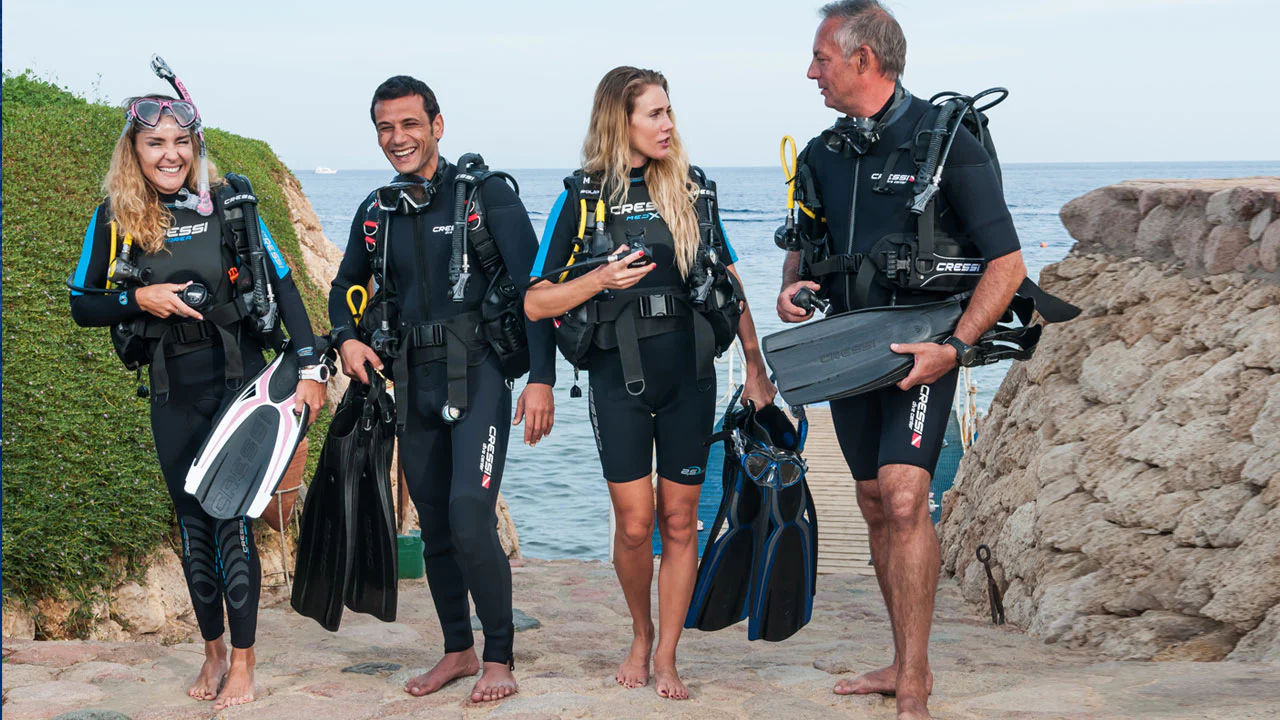
Scuba diving opens up a world of discovery beneath the surface, offering divers the chance to explore vibrant coral reefs, shipwrecks, and diverse marine life. However, before you embark on an underwater adventure, it is essential to understand what to wear for your protection and comfort. Dive suits and wetsuits are crucial components of your scuba gear. Not only do they protect you from the cold, but they also offer buoyancy control, protection from abrasions, and defense against dangerous marine creatures. Selecting the right attire depends on various factors, including the water temperature, dive conditions, and your level of experience. In this guide, we’ll explore the different types of dive suits and wetsuits available and offer tips for choosing the best option for your diving experience.
Understanding the Purpose of Dive Suits and Wetsuits
Both dive suits and wetsuits are designed to provide insulation and protection for scuba divers. However, the materials, fit, and intended use of each suit differ. The primary goal of these suits is to maintain body warmth in cold water, which can quickly sap a diver’s energy and lead to hypothermia if not addressed. Beyond thermal protection, dive suits also act as a barrier against jellyfish stings, sharp coral, and other underwater hazards.
Wetsuits: The Versatile Option for Warm to Temperate Waters
Wetsuits are the most commonly worn dive suits for recreational diving, especially in warm to temperate waters. These suits are made of neoprene, a synthetic rubber material that traps a thin layer of water between the suit and the diver’s skin. As the diver’s body warms up, this layer of water warms to body temperature, providing thermal insulation. The thickness of a wetsuit is measured in millimeters (mm), with thicker suits providing more warmth.
- Thickness and Suit Selection: Wetsuits are available in varying thicknesses, typically ranging from 2mm to 7mm. For warm water dives (over 75°F or 24°C), a thinner wetsuit (2mm-3mm) is ideal, as it provides flexibility while offering minimal insulation. In cooler waters (60°F-75°F or 15°C-24°C), a thicker wetsuit (5mm-7mm) may be necessary to retain body heat. It’s important to choose a wetsuit based on water temperature to ensure comfort and safety during the dive.
- Full Suit vs. Shorty Wetsuit: Wetsuits come in various styles. The full-body wetsuit covers the diver’s entire body, including arms and legs, and is the most common choice for scuba divers in temperate waters. Shorty wetsuits, on the other hand, are designed for warmer climates and feature short sleeves and short legs, providing less coverage but greater flexibility for tropical dives.
- Fit and Comfort: For a wetsuit to work effectively, it must fit snugly but not restrict movement. A properly fitting wetsuit reduces the amount of water that enters the suit, maximizing the insulating effect. When trying on a wetsuit, ensure that it fits closely around the wrists, ankles, and neck, but still allows you to move freely and comfortably.
- Choosing the Right Wetsuit Material: Neoprene is the primary material used in wetsuit construction due to its excellent insulating properties. However, there are variations in neoprene, such as closed-cell and open-cell neoprene. Closed-cell neoprene is more durable and provides better insulation, while open-cell neoprene offers superior flexibility but is more susceptible to wear and tear.
Dive Skins: Lightweight Protection for Tropical Waters
For divers exploring extremely warm waters (above 80°F or 27°C), a dive skin may be the best option. Dive skins are made from thin, stretchable materials such as Lycra or Spandex and offer lightweight coverage for sun protection and defense against minor abrasions. While dive skins do not provide thermal insulation, they serve to shield the skin from scrapes, jellyfish stings, and UV rays.
- UV Protection: In tropical areas where the water is warm, divers may choose to wear a dive skin primarily for protection from harmful UV rays. Dive skins provide an added layer of defense, reducing the risk of sunburn, particularly when diving in shallow waters.
- Comfort and Flexibility: Dive skins are incredibly comfortable and offer excellent flexibility, making them an ideal choice for divers who do not require the thermal protection provided by thicker wetsuits. They are perfect for short dives in warm waters or for divers who wish to avoid the bulk of a full wetsuit.
Drysuits: Essential Gear for Cold Water Diving
When diving in colder waters (below 50°F or 10°C), a drysuit becomes essential. Drysuits, unlike wetsuits, are designed to keep the diver completely dry by preventing water from entering the suit. They use a layer of insulating material, such as Thinsulate, to provide thermal protection. The diver wears undergarments beneath the drysuit, which add an additional layer of insulation.
- How Drysuits Work: Drysuits are sealed at the neck, wrists, and ankles to prevent water from entering. The suit is filled with air, allowing the diver to adjust buoyancy more easily than with a wetsuit. Drysuits are equipped with valves for inflating and deflating air, which is important for maintaining buoyancy during the dive.
- Choosing the Right Drysuit: Drysuits are often made from materials such as vulcanized rubber, trilaminate fabric, or crushed neoprene. Each material offers unique advantages in terms of durability, flexibility, and insulation. When selecting a drysuit, consider the specific water temperature, dive duration, and personal comfort preferences.
- Underlayers for Drysuits: The insulation under the drysuit is just as important as the suit itself. Undergarments, such as fleece or wool layers, are worn to trap body heat and keep the diver warm. The thickness and number of underlayers depend on the water temperature and the length of the dive.
Other Considerations for Scuba Diving Attire
In addition to wetsuits and drysuits, divers may also wear other protective gear.
- Boots and Gloves: Scuba diving boots are designed to provide warmth and protect your feet from sharp objects or rough surfaces. For cold-water dives, insulated boots may be necessary. Gloves also offer protection from the cold and from potential stings or abrasions.
- Hoods and Vests: For additional warmth in colder waters, divers often wear dive hoods to protect their head and ears. These hoods are available in various thicknesses and can be worn with both wetsuits and drysuits. Some divers also wear thermal vests for added insulation.
Conclusion
Choosing the right dive suit is a critical aspect of scuba diving, ensuring comfort, warmth, and protection throughout your dive. Whether you’re diving in tropical or cold waters, there is a wide variety of wetsuits, drysuits, and additional protective gear available to meet your needs. By considering factors such as water temperature, dive conditions, and your comfort preferences, you can select the ideal suit for your diving adventures. Always prioritize safety and comfort, and ensure that your suit fits properly to fully enjoy the wonders that lie beneath the surface.
