
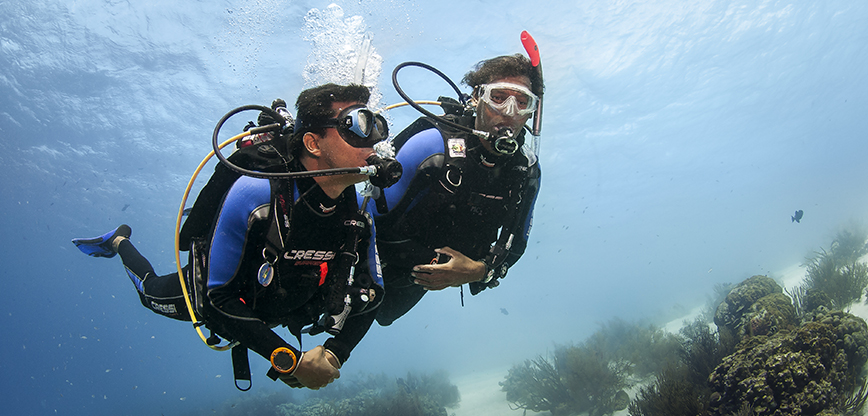
Scuba diving is an exhilarating and often tranquil experience, allowing divers to explore the depths of oceans and seas, discovering marine life and underwater landscapes. However, as with any adventure sport, there are inherent risks involved, from sudden changes in environmental conditions to equipment malfunctions. One of the key safety practices in diving is the dive buddy system, an essential aspect that helps mitigate potential dangers and ensures the safety of divers. This blog post explores the significance of the buddy system, why it is fundamental to diving safety, and how it contributes to an overall positive diving experience.
1. What is a Dive Buddy System?
The dive buddy system refers to the practice of pairing divers together to monitor and assist each other throughout their dive. The principle is simple—two divers work as a team to ensure each other’s safety by keeping close during the dive, providing assistance in emergencies, and communicating effectively. The system encourages mutual responsibility and cooperation, making diving safer and more enjoyable for everyone involved. Regardless of experience level, diving with a buddy is widely considered an essential rule of scuba diving.
2. Ensuring Safety and Accountability
The primary purpose of the dive buddy system is to enhance safety. Diving presents several risks, such as becoming disoriented, losing equipment, or encountering unexpected underwater hazards. When two divers work together, they can better monitor each other’s air supply, equipment, and overall well-being. A buddy can quickly notice if their partner is struggling with buoyancy, air consumption, or signs of fatigue, and can offer assistance before the situation becomes critical.
The presence of a buddy fosters accountability, as each diver knows they have someone depending on them for safety. This mutual responsibility encourages alertness, thorough preparation, and caution during the dive, reducing the likelihood of accidents or errors.
3. Assistance in Emergency Situations
In the event of an emergency, such as an out-of-air situation, an injured diver, or equipment failure, a buddy can provide immediate assistance, potentially preventing a life-threatening scenario. For example, if one diver runs low on air or has a regulator malfunction, the buddy system ensures that the other diver is prepared to provide an alternate air source or share air from their tank. This simple action could be the difference between life and death in an underwater emergency.
Additionally, in the event of disorientation or separation, the dive buddy can assist in locating the diver, helping them safely return to the surface. Emergency response times are drastically improved when both divers are prepared and working together.
4. Building Confidence and Comfort
For many divers, especially beginners, having a buddy provides a sense of security and reassurance. The buddy system offers emotional support, especially when diving in unfamiliar or challenging environments. New divers, in particular, benefit from the experience and guidance of a more seasoned buddy. The buddy system helps alleviate the stress of venturing into the underwater world alone, providing a valuable sense of comfort.
Even experienced divers often find that having a buddy increases their confidence, as they know help is always nearby if something unexpected occurs. This heightened sense of safety allows divers to focus on the beauty of the underwater world, knowing their well-being is being actively monitored by their partner.
5. Improved Communication and Coordination
Effective communication underwater is crucial, and the buddy system ensures that divers are always in close enough proximity to signal one another. While divers can’t communicate verbally, they rely on a series of hand signals to convey messages, such as asking about air supply, indicating discomfort, or showing the direction of the dive. By having a buddy, divers can ensure that these signals are clear and understood, and any necessary actions can be taken promptly.
Additionally, the buddy system encourages the development of good coordination skills. Divers learn to work together to maintain the same depth, follow dive plans, and navigate the underwater environment as a team. This coordination helps improve the dive experience, ensuring that it runs smoothly and efficiently.
6. Promoting Better Dive Planning and Preparation
When diving with a buddy, both divers are involved in the planning and preparation process, which enhances the quality of the dive. The dive plan includes details such as the dive site, maximum depth, time limits, emergency procedures, and entry and exit strategies. By discussing and agreeing on the plan, both divers ensure that they are aligned on the goals and the risks involved. This level of preparation fosters a more organized and safer dive.
Buddy teams often take turns checking each other’s equipment before entering the water, making sure that everything—from tanks and regulators to buoyancy control devices—works properly. This additional layer of preparation helps to prevent malfunctions and ensures that both divers are fully equipped for the dive.
7. The Buddy System Enhances Teamwork and Camaraderie
Beyond safety, the dive buddy system fosters a sense of camaraderie and teamwork. Scuba diving is a unique experience that often brings people together in unexpected ways. By working closely with a buddy, divers build trust and cooperation, which enhances their enjoyment of the sport. The shared responsibility for each other’s safety creates a strong bond between divers, whether they are seasoned veterans or first-time explorers.
Moreover, the buddy system encourages divers to learn from each other, whether it is through sharing tips, offering advice, or discussing dive techniques. This exchange of knowledge can lead to better skills, more efficient dives, and an overall enhanced diving experience.
8. What Happens When the Buddy System is Ignored?
While it might be tempting to dive alone or with a less experienced diver, ignoring the buddy system can result in a heightened risk of accidents. Solo divers face numerous challenges, such as being unable to monitor their air supply effectively or not having someone to turn to in case of an emergency. The absence of a buddy system can also lead to increased anxiety, disorientation, and a lack of focus, which can negatively affect dive performance.
Additionally, in certain locations or dive centers, the buddy system is not just a safety recommendation—it is a requirement. Many dive operators insist on the buddy system to ensure that all divers are operating under the same safety protocols.
9. Conclusion
The dive buddy system is an indispensable element of scuba diving that promotes safety, confidence, and enjoyable experiences underwater. By working together, divers can respond to emergencies swiftly, communicate effectively, and ensure that every dive is thoroughly planned and executed. Whether you are a beginner just learning the ropes or an experienced diver with years of expertise, diving with a buddy is essential for a secure and successful underwater adventure. As the saying goes in the diving world, “Buddy for life, dive for life.”