
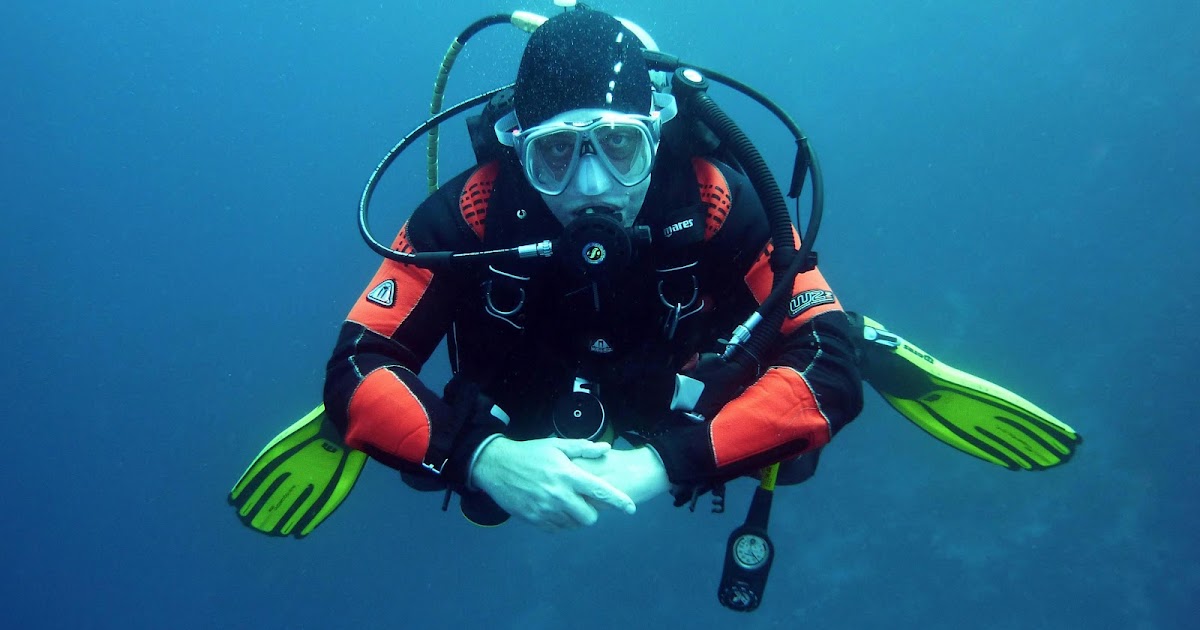
Scuba diving has undergone significant advancements since its inception, primarily driven by the evolution of the equipment used by divers. From the first attempts at underwater exploration to the modern, high-tech gear used today, the evolution of scuba diving equipment has revolutionized the way we experience and explore the underwater world. In this article, we will explore the key milestones in the development of scuba diving equipment and how these innovations have shaped the sport into what it is today.
1. Early Attempts at Breathing Underwater
The desire to explore underwater dates back centuries, but the technology to do so didn’t exist until relatively recently. Ancient civilizations, such as the Greeks and Romans, used diving bells and primitive tools to explore underwater, though they were very limited in their capabilities. These early devices were mostly used for retrieving treasures or investigating underwater structures.
One of the earliest inventions to facilitate underwater breathing was the diving bell, which dates back to the 4th century BCE. This simple, bell-shaped structure trapped air inside and allowed divers to descend to depths, though their ability to stay submerged was limited by the amount of air available.
2. The Development of the Snorkel and the First Scuba Gear
The modern concept of scuba diving equipment began to take shape in the early 20th century. In the 1920s, the snorkel became popular, allowing divers to breathe at the surface while keeping their face submerged in water. Although it was a significant advancement, the snorkel was still only useful in shallow waters and did not allow for deeper exploration.
In the 1940s, a true breakthrough came with the development of the first self-contained underwater breathing apparatus (SCUBA). This system included a tank of compressed air, a regulator to control the flow of air, and a mouthpiece for breathing. The SCUBA system was designed to give divers the ability to dive deeper and stay submerged for longer periods of time. This invention is often attributed to French naval officer Jacques Cousteau and engineer Émile Gagnan, who developed the Aqua-Lung in 1943. The Aqua-Lung was the first commercially successful SCUBA system and marked a major milestone in the evolution of scuba diving equipment.
3. The Introduction of Pressure Gauges and Depth Meters
As the popularity of scuba diving grew in the mid-20th century, safety became a more prominent concern. Divers needed a way to monitor their air supply and track their depth to avoid accidents. This led to the invention of pressure gauges and depth meters, which allowed divers to check their air pressure and track how deep they had gone.
The pressure gauge, which is now an essential piece of scuba gear, gives divers a real-time reading of the air remaining in their tanks. Meanwhile, depth meters provide valuable information about how far a diver has descended, which is crucial for avoiding dangerous conditions such as nitrogen narcosis or decompression sickness.
4. The Introduction of Wet Suits and Dry Suits
In the early days of scuba diving, divers would often use simple clothing or nothing at all to protect themselves from the cold underwater environment. As diving became more widespread, the need for thermal protection became clear, especially in colder waters. This led to the development of wetsuits and dry suits, both of which offer different levels of protection.
A wetsuit, made from thick neoprene material, provides thermal insulation by trapping a thin layer of water between the suit and the diver’s body. The body then warms this water, providing warmth during the dive. Wetsuits are typically used in temperate or tropical waters, where the water temperature is not extremely cold.
Dry suits, on the other hand, are designed to keep divers completely dry by using a watertight seal. These suits are typically used in colder waters, as they offer greater thermal protection by trapping air inside, which acts as insulation against the cold. The development of wetsuits and dry suits greatly expanded the range of environments in which scuba diving could be safely practiced.
5. The Rise of Dive Computers
In the 1980s, the advent of dive computers revolutionized scuba diving safety and convenience. Prior to the introduction of these devices, divers relied on dive tables to calculate how long they could stay at specific depths without risking decompression sickness. Dive computers automated this process by providing real-time information about a diver’s depth, time underwater, and decompression limits.
Dive computers use advanced algorithms to calculate the safe limits for a diver’s specific profile and adjust these calculations in real time based on depth, time, and even factors such as water temperature. This technology has made diving safer, more convenient, and more accessible, as it removes the need for manual calculations and allows divers to focus on the experience itself.
Maintaining contact with the surface is another major safety factor for professional divers. Having reliable diver comms is necessary for safety during deep-sea salvage and search and rescue missions. These systems allow teams to coordinate tasks and report hazards immediately without the need for hand signals. This technology has changed how commercial teams work, which makes underwater operations much more efficient.
6. Advanced Regulators and Air Supply Systems
The evolution of scuba diving equipment also includes improvements in the design and function of regulators, which control the flow of air from the tank to the diver. Early regulators were relatively simple, but as diving became more advanced, regulators began to feature improved designs for greater comfort and safety.
Modern regulators are designed to be more efficient, providing air to the diver even at greater depths or under higher pressures. The introduction of octopus regulators, which are backup systems for emergencies, has also improved safety by ensuring that a diver always has a secondary source of air if their primary regulator fails.
In recent years, the development of rebreathers has further advanced diving technology. Rebreathers are closed-circuit systems that recycle exhaled air, removing carbon dioxide and adding oxygen back into the system. This allows divers to stay submerged for much longer periods without needing to carry large amounts of gas. Rebreathers are particularly popular among technical divers, who need to stay at greater depths for longer durations.
7. Lightweight and Compact Equipment
As technology continues to evolve, scuba diving equipment has become increasingly lightweight and compact, making it easier for divers to travel and explore different destinations. Modern dive gear, such as BCDs (buoyancy control devices) and fins, is designed to be more streamlined, reducing drag and increasing comfort during dives.
Materials such as high-strength plastics, titanium, and advanced composites have made equipment lighter without sacrificing durability. The development of folding fins, compact regulators, and travel-friendly BCDs has made scuba diving more accessible to divers who travel frequently or want to minimize the amount of gear they need to carry.
8. The Future of Scuba Diving Equipment
The future of scuba diving equipment is likely to involve even more technological advancements. With the rise of smart technology, it is possible that we will soon see fully integrated systems that allow divers to track their vitals, monitor their surroundings, and communicate with each other underwater in real-time. Enhanced materials and more sustainable designs will likely continue to shape the future of scuba diving gear.
Furthermore, as the world becomes more focused on environmental conservation, we can expect to see eco-friendly gear and practices becoming more common in the diving industry. From biodegradable wetsuits to more sustainable manufacturing processes, the future of scuba diving equipment will likely prioritize both performance and environmental responsibility.
Conclusion
The evolution of scuba diving equipment has transformed the sport into a safer, more accessible, and more enjoyable activity for people all around the world. From early attempts at underwater breathing to the advanced, high-tech gear used by divers today, these innovations have made it possible for people to explore the underwater world in ways that were once unimaginable. As technology continues to advance, we can look forward to even greater possibilities for scuba diving, with new equipment making the sport more efficient, comfortable, and sustainable.