
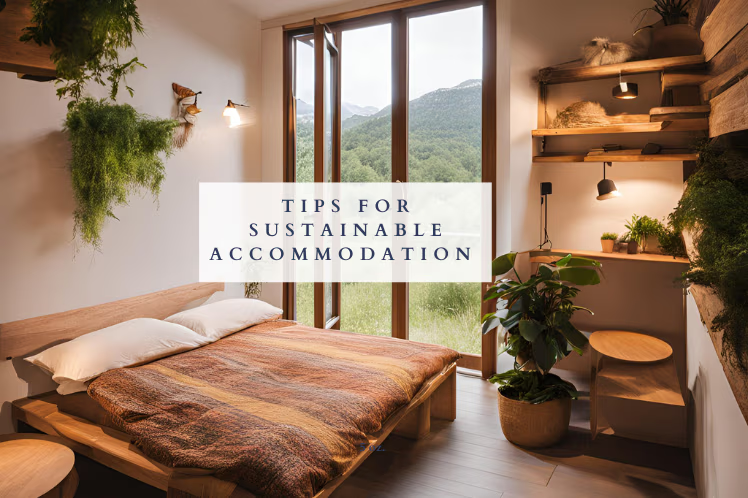
The accommodation industry has evolved far beyond traditional hotel stays. Modern travelers seek unique, comfortable, and memorable lodging experiences that enhance their trips. From boutique hotels and eco-lodges to luxury rentals and tech-integrated spaces, the way we choose and optimize accommodations is more strategic than ever. This article delves into advanced strategies for selecting, booking, and maximizing accommodation experiences for discerning travelers.
Understanding Modern Accommodation Trends
The Rise of Experiential Lodging
-
Boutique and Lifestyle Hotels: Travelers increasingly prefer smaller, design-focused properties that reflect local culture and aesthetics.
-
Themed Stays: Properties offering immersive themes, from historical motifs to art-centric designs, create memorable experiences.
-
Adaptive Reuse Properties: Converting heritage buildings, factories, or unconventional spaces into accommodations adds uniqueness.
Technology Integration in Lodging
-
Smart Rooms: IoT-enabled rooms allow control of lighting, temperature, and entertainment through mobile apps.
-
AI-Powered Booking Systems: Dynamic pricing and personalized recommendations enhance value and convenience.
-
Virtual Reality Previews: Immersive VR tours help travelers select rooms and properties that best meet expectations.
Sustainability and Ethical Practices
-
Eco-Certifications: Choosing lodgings with recognized sustainability certifications ensures reduced environmental impact.
-
Community Engagement: Staying in properties that source locally and support local employment promotes ethical tourism.
-
Energy and Waste Management: Advanced accommodations integrate energy-efficient solutions and waste reduction practices.
Advanced Booking Strategies
Dynamic Pricing Awareness
-
Understanding Price Fluctuations: Accommodation prices vary by season, demand, and even day of the week. Monitoring these trends allows travelers to book at optimal times.
-
Leveraging Loyalty Programs: Memberships often provide exclusive rates, upgrades, or early access to promotions.
-
Flexible Booking Options: Selecting refundable or flexible options allows adjustments if plans change, ensuring both security and potential cost savings.
Location Optimization
-
Proximity to Attractions: Evaluate accommodations based on accessibility to local attractions while balancing noise and convenience.
-
Neighborhood Exploration: Staying in emerging neighborhoods can provide authentic cultural experiences and better value.
-
Transport Integration: Properties near public transport hubs, bike rentals, or shared mobility options reduce dependency on taxis and rideshares.
Long-Term Stays and Extended Packages
-
Extended Stay Benefits: Many accommodations offer discounted rates, complimentary services, or added amenities for longer stays.
-
Work-Friendly Options: Properties with co-working spaces or high-speed internet cater to digital nomads and remote workers.
-
Wellness Amenities: Extended stays may include spa access, fitness programs, or holistic wellness packages.
Enhancing the Accommodation Experience
Personalized Guest Services
-
Customized Room Preferences: Noting preferences for bedding, room temperature, or amenities enhances comfort.
-
Tailored Recommendations: Concierge or AI-driven services provide curated experiences based on interests, from dining to adventure activities.
-
VIP or Loyalty Perks: Frequent travelers can leverage elite programs for upgrades, exclusive access, or complimentary services.
Culinary and Beverage Experiences
-
On-Site Dining Options: Properties with curated restaurants or local chefs provide immersive culinary experiences.
-
In-Room Customization: Personalized minibar selections, dietary-specific menus, or meal delivery services enhance convenience and satisfaction.
-
Local Sourcing: Properties highlighting regional ingredients support sustainability and offer authentic flavors.
Wellness and Lifestyle Integration
-
Fitness and Recreation Facilities: Gyms, yoga studios, swimming pools, and outdoor activity options promote holistic health during travel.
-
Mindfulness and Spa Offerings: Meditation areas, spa treatments, and wellness workshops contribute to relaxation and mental rejuvenation.
-
Active Travel Partnerships: Accommodations collaborating with local adventure providers, such as cycling tours or guided hikes, offer integrated experiences.
Technological Enhancements in Accommodation
Smart Room Technologies
-
Automated Comfort Controls: Guests can regulate lighting, temperature, and entertainment systems via mobile apps or voice commands.
-
Keyless Entry and Security: Mobile keys and digital access systems improve safety and convenience.
-
AI Concierge Services: AI chatbots provide instant guidance for property services, local attractions, and travel logistics.
Booking and Management Platforms
-
Aggregators and Meta-Search Tools: Comparing multiple platforms ensures best rates and availability.
-
Review Analysis Tools: Using aggregated reviews from multiple sources ensures reliability and authenticity of accommodations.
-
Geo-Targeted Insights: Mobile apps can suggest nearby activities, dining, and attractions in real-time.
Virtual and Augmented Reality Applications
-
Virtual Property Tours: VR allows exploration of rooms and facilities before booking, reducing uncertainty.
-
Augmented Room Guides: AR can provide interactive instructions for room appliances, amenities, and property navigation.
-
Immersive Marketing Experiences: High-quality visual content helps travelers understand ambiance, décor, and overall experience.
Risk Management and Safety in Accommodation
Health and Hygiene
-
Sanitation Protocols: Selecting properties adhering to strict cleanliness standards ensures safety.
-
Contactless Services: Minimizing direct interaction reduces health risks while enhancing convenience.
-
Emergency Preparedness: Properties with clear emergency exits, medical kits, and response plans increase guest security.
Security and Legal Considerations
-
Verified Properties: Booking through reputable platforms reduces risk of scams or substandard accommodations.
-
Insurance Coverage: Comprehensive travel insurance should cover accommodation-related cancellations or incidents.
-
Local Legal Awareness: Understanding property regulations, safety codes, and local norms prevents conflicts.
Sustainability Practices in Accommodation
-
Green Building Initiatives: Using renewable energy sources, energy-efficient appliances, and sustainable construction reduces carbon footprint.
-
Water and Waste Management: Advanced systems for water conservation and recycling minimize environmental impact.
-
Supporting Local Economies: Choosing accommodations that hire locally and source products responsibly fosters ethical travel.
Emerging Accommodation Trends
-
Hybrid Hospitality Models: Combining hotel services with home-like comfort, including co-living spaces, caters to long-term and digital nomad travelers.
-
Micro-Stays: Short-duration bookings for business travelers or layovers maximize efficiency and value.
-
Eco-Luxury Integration: High-end properties offering eco-conscious services merge comfort with sustainability.
-
Tech-Driven Customization: AI and IoT integration allows for fully personalized lodging experiences tailored to individual preferences.
FAQ Section
1. How can travelers find the most cost-effective accommodations without sacrificing quality?
Monitoring dynamic pricing, using meta-search engines, leveraging loyalty programs, and booking during off-peak periods ensures value without compromising comfort.
2. What strategies improve the overall lodging experience?
Customizing room preferences, engaging with concierge services, exploring on-site culinary options, and using wellness amenities enhance the stay.
3. How can technology enhance accommodation choices?
AI-driven booking platforms, smart room systems, VR property tours, and AR guides help optimize comfort, convenience, and decision-making.
4. What are the best practices for long-term or extended stays?
Selecting properties with extended stay discounts, work-friendly environments, and integrated wellness and recreation facilities provides both comfort and efficiency.
5. How can guests ensure sustainable and ethical accommodation choices?
Choosing eco-certified properties, supporting local businesses, and selecting accommodations with energy-efficient systems and responsible waste management ensures ethical travel.
6. How can travelers minimize risk while staying in unfamiliar accommodations?
Booking verified properties, following hygiene and safety protocols, carrying travel insurance, and understanding local regulations mitigate potential risks.
7. What trends are shaping the future of accommodation?
Hybrid hospitality models, eco-luxury integration, micro-stays, and AI-driven personalization are driving the next generation of lodging experiences.