
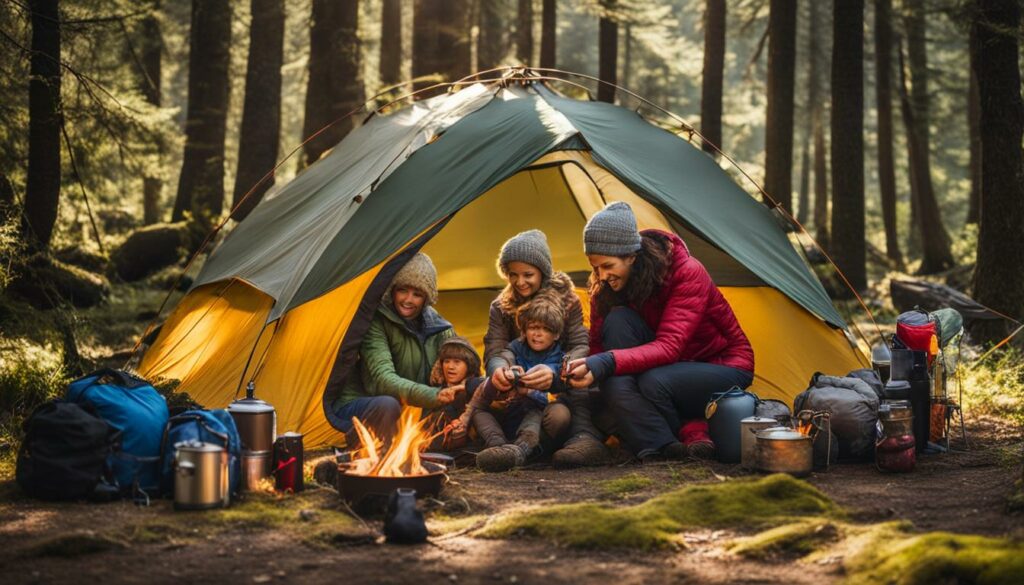
Camping has evolved far beyond simple tents and campfires. Today, enthusiasts seek immersive experiences that combine comfort, sustainability, adventure, and connectivity with nature. For seasoned campers, understanding advanced camping strategies, luxury camping options, technology integration, and environmental responsibility is essential. This article explores the modern landscape of camping, highlighting unique approaches, innovative practices, and immersive experiences that elevate camping from a recreational activity to a lifestyle choice.
Redefining Camping Experiences
Glamping and Luxury Camping
Glamping, or “glamorous camping,” has become a game-changer in the outdoor recreation sector. Unlike traditional camping, it offers:
-
Comfortable Accommodations: Yurts, safari tents, cabins, and treehouses with full bedding, climate control, and electricity.
-
Curated Experiences: Guided hikes, private chef services, stargazing sessions, and wildlife encounters tailored to guests.
-
Integration with Nature: Despite luxurious touches, glamping structures are designed to blend seamlessly with the surrounding environment.
Remote Wilderness Immersion
For campers seeking true solitude, remote wilderness camping offers:
-
Secluded Locations: Accessing off-the-grid destinations, from alpine meadows to coastal cliffs.
-
Survival Skills Emphasis: Advanced campers often engage in navigation, foraging, and water purification techniques.
-
Ecological Respect: Minimal-impact camping practices ensure the environment remains pristine.
Advanced Gear and Equipment
High-Tech Camping Gear
Modern camping equipment combines durability with innovation, offering:
-
Portable Solar Panels and Battery Packs: Ensuring devices remain powered even in remote locations.
-
Weather-Resistant Smart Tents: Tents with temperature regulation, UV protection, and integrated LED lighting.
-
Multi-Functional Backpacks: Designed to carry supplies, water filtration systems, and emergency gear efficiently.
Safety and Survival Equipment
-
GPS Devices and Satellite Communicators: Critical for navigation in areas without mobile coverage.
-
Advanced First Aid Kits: Equipped for trauma, dehydration, and altitude-related issues.
-
Water Filtration and Purification Systems: Portable units that remove bacteria, parasites, and chemical contaminants.
Cooking and Food Innovations
-
Portable Stoves and Grills: Lightweight, energy-efficient, and compatible with multiple fuel types.
-
Freeze-Dried and Dehydrated Meals: High-nutrient options that reduce weight while maintaining taste.
-
Solar Ovens: Harness sunlight to cook meals without relying on fuel or electricity.
Environmental Responsibility in Camping
Leave No Trace Principles
Seasoned campers emphasize minimizing human impact, which involves:
-
Waste Management: Packing out all trash and utilizing biodegradable products.
-
Campfire Responsibility: Using designated fire pits, fire rings, or portable stoves to reduce forest fire risks.
-
Trail Preservation: Staying on marked paths to prevent soil erosion and habitat disruption.
Wildlife and Habitat Protection
-
Respecting Animal Territories: Observing wildlife from a distance without feeding or disturbing them.
-
Eco-Friendly Gear Choices: Opting for sustainable, non-toxic, and biodegradable materials.
-
Waterway Conservation: Avoiding chemical contamination in rivers, lakes, and streams.
Multi-Sensory Camping Experiences
Adventure and Exploration
Modern camping emphasizes both physical challenge and sensory engagement:
-
Backpacking Expeditions: Multi-day treks through mountainous regions, deserts, or rainforests.
-
Caving and Rock Climbing: Combining camping with adrenaline-pumping activities.
-
Kayaking, Canoeing, and River Exploration: Offering immersive encounters with aquatic ecosystems.
Mindfulness and Wellness
-
Yoga and Meditation Retreats: Many campsites offer morning sessions to align body and mind.
-
Forest Bathing: Guided walks designed to heighten awareness and reduce stress.
-
Nature Journaling and Photography: Encouraging campers to connect creatively with their surroundings.
Nighttime Experiences
-
Stargazing and Astronomy: Remote locations allow for clear views of celestial events.
-
Nocturnal Wildlife Observation: Educating campers about local ecosystems active after sunset.
-
Night Photography Workshops: Techniques for capturing long exposures and auroras enhance the experience.
Group Camping and Community Engagement
Team-Building and Outdoor Leadership
Camping is increasingly used for structured group experiences:
-
Corporate Retreats: Activities focusing on collaboration, problem-solving, and resilience.
-
Youth Programs: Outdoor education programs teach leadership, survival skills, and teamwork.
-
Skill Exchange Workshops: Experienced campers share navigation, first aid, and cooking expertise.
Community-Based Camping Initiatives
-
Cultural Immersion: Collaborating with local communities to learn traditions, culinary practices, and crafts.
-
Volunteer Tourism: Engaging campers in environmental restoration projects and wildlife protection programs.
-
Local Food Sourcing: Purchasing ingredients from nearby farms and supporting regional economies.
Technology Integration in Camping
Smart Camping Solutions
-
Mobile Apps: Real-time trail maps, weather updates, and campsite reviews enhance planning.
-
IoT-Enabled Gear: Smart tents and wearables track environmental conditions, health metrics, and gear status.
-
Remote Monitoring: Campers can check for wildlife activity, temperature, and potential hazards via connected sensors.
Connectivity Without Compromising Nature
-
Satellite Internet: Enables essential communication in remote areas.
-
Emergency Alerts: Alerts for weather, fire risks, and wildlife movement ensure safety.
-
Digital Learning Platforms: Provide information on flora, fauna, and geology for a more immersive experience.
Culinary Creativity in the Outdoors
Innovative Outdoor Cooking
-
Campfire Gastronomy: Combining traditional grilling with gourmet techniques.
-
Dehydrated Ingredient Recipes: Creative use of compact ingredients to prepare flavorful meals.
-
Interactive Culinary Experiences: Camps may offer cooking classes, cocktail mixing, or local foraging excursions.
Beverage and Hydration Solutions
-
Portable Filtration Systems: Ensuring safe drinking water from natural sources.
-
Infused Hydration Packs: Enhancing water with electrolytes and natural flavors.
-
Sustainable Beverage Practices: Avoiding single-use plastics by using refillable containers.
Camping Trends for Seasoned Enthusiasts
-
Sustainable Adventure Camping: Emphasizing minimal-impact techniques and renewable resources.
-
Hybrid Camping Experiences: Combining glamping luxury with remote wilderness immersion.
-
Wellness-Oriented Outdoor Retreats: Offering yoga, mindfulness, and stress-reduction in natural settings.
-
Tech-Savvy Camping: Smart gear, apps, and digital learning enhancing traditional outdoor experiences.
FAQ Section
1. What differentiates advanced camping from traditional camping?
Advanced camping integrates technology, sustainability, luxury accommodations, personalized activities, and immersive experiences beyond basic tents and campfires.
2. How can campers minimize their environmental impact?
By following Leave No Trace principles, respecting wildlife, using sustainable gear, and responsibly managing waste and campfires.
3. Are glamping sites considered “true” camping?
Yes, glamping provides a blend of comfort and outdoor immersion, maintaining the core experience of connecting with nature.
4. How can technology enhance camping experiences without disrupting nature?
Mobile apps, smart tents, satellite communication, and IoT devices provide safety, navigation, and learning opportunities while remaining minimally invasive.
5. What types of wellness activities are commonly offered at camping retreats?
Yoga, meditation, forest bathing, guided mindfulness walks, and nature journaling are frequently included.
6. How do campers ensure safe access to remote wilderness areas?
By using GPS devices, satellite communicators, advanced first aid kits, and water purification systems, while also preparing with knowledge of survival skills.
7. What makes camping suitable for corporate or group retreats?
Camping encourages team-building, leadership development, problem-solving skills, and shared adventure, making it ideal for corporate and group programs.