
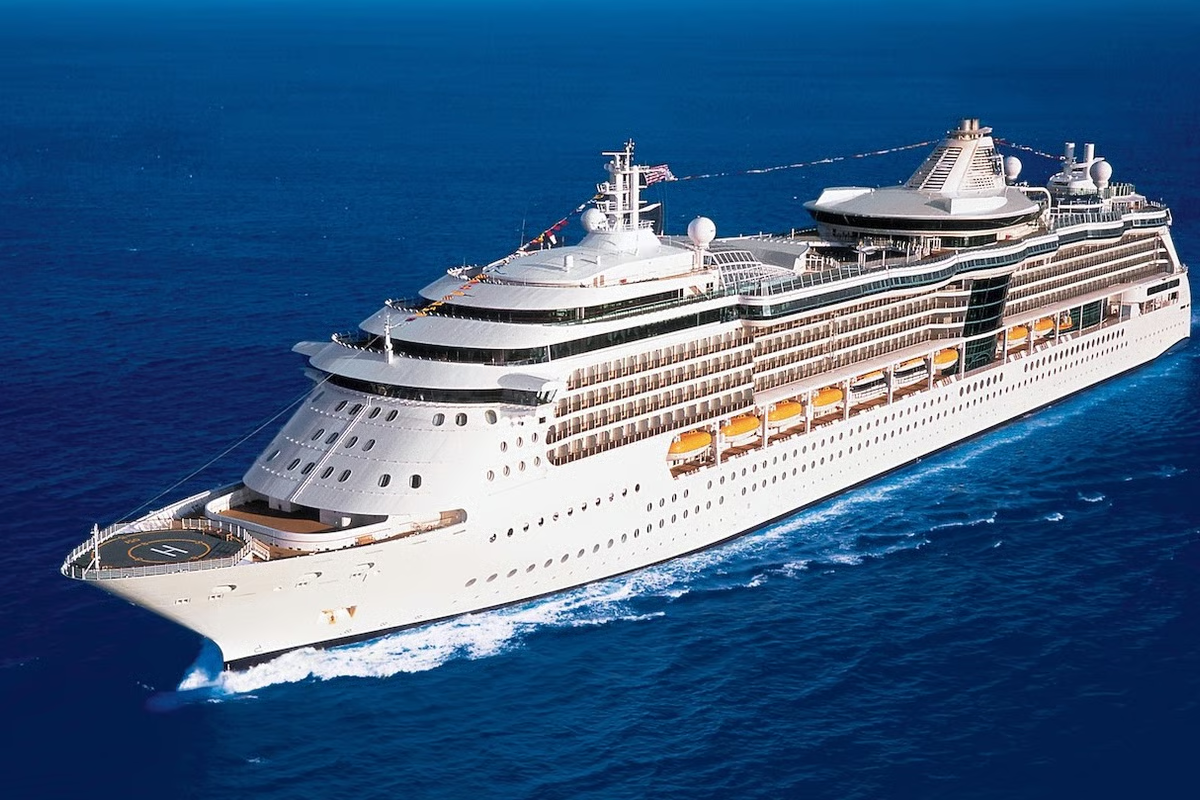
Cruise ships have transcended the notion of mere transportation at sea, evolving into floating cities that provide luxury, adventure, entertainment, and cultural immersion. Modern cruises cater to seasoned travelers seeking unique experiences, from cutting-edge technology and gourmet dining to wellness retreats and destination-focused excursions. This article explores advanced insights into cruise ship travel, offering a comprehensive guide to maximizing the cruise experience, understanding innovative onboard features, and embracing the evolving trends in maritime tourism.
Redefining the Cruise Experience
Luxury and Themed Cruises
Luxury cruises provide travelers with premium services, intimate environments, and curated experiences that differ greatly from mainstream offerings:
-
Exclusive Accommodations: Spacious suites with private balconies, personalized butler services, and state-of-the-art amenities.
-
Themed Voyages: Culinary cruises with renowned chefs, wellness-focused trips with spa and yoga programs, and cultural immersion journeys exploring local traditions.
-
Tailored Itineraries: Ports of call selected for unique experiences such as wine tasting in Mediterranean vineyards or Arctic wildlife exploration.
Expedition and Adventure Cruises
For travelers seeking exploration beyond conventional ports:
-
Remote Destinations: Cruises to Antarctica, the Galapagos, or the Arctic Circle offer encounters with pristine ecosystems.
-
Adventure Excursions: Guided kayaking, trekking, snorkeling, and wildlife observation allow for immersive experiences.
-
Environmental Focus: Many expedition cruises prioritize sustainable tourism, minimizing environmental impact through eco-friendly practices.
Advanced Onboard Amenities
Technologically Enhanced Navigation and Comfort
Modern cruise ships leverage technology to enhance safety, comfort, and convenience:
-
Stabilization Systems: Advanced stabilizers reduce motion discomfort for passengers.
-
Smart Cabins: Features include app-controlled lighting, climate, entertainment, and even voice-activated assistants.
-
High-Speed Connectivity: Satellite-based internet allows passengers to remain connected while at sea.
Culinary Experiences at Sea
The gastronomic options on cruise ships have evolved from buffet-style dining to multi-sensory culinary journeys:
-
Specialty Restaurants: Featuring international cuisines curated by celebrity chefs.
-
Interactive Cooking Classes: Opportunities for guests to learn culinary techniques from onboard experts.
-
Farm-to-Table Initiatives: Fresh, locally sourced ingredients delivered to ports and integrated into onboard menus.
Wellness and Recreational Facilities
-
Fitness and Spa Centers: Equipped with modern gym facilities, yoga studios, meditation rooms, and luxury spas.
-
Pools and Water Parks: From infinity pools to interactive water slides, catering to all ages.
-
Entertainment Complexes: Theaters, live music venues, and even virtual reality experiences bring diverse entertainment options onboard.
Sustainability and Environmental Responsibility
Eco-Friendly Cruise Initiatives
The cruise industry has increasingly embraced environmental responsibility:
-
Green Propulsion Technologies: LNG-powered engines, hybrid systems, and energy-efficient hull designs reduce emissions.
-
Waste Management Programs: Advanced recycling systems and wastewater treatment onboard limit environmental impact.
-
Shore Excursion Sustainability: Collaborations with local communities to support responsible tourism and conservation projects.
Marine Conservation Programs
Many cruise lines actively engage passengers in ocean conservation:
-
Citizen Science Projects: Guests participate in wildlife monitoring, plastic collection, or coral reef research.
-
Educational Seminars: Informative sessions on marine ecology, sustainability, and climate change awareness.
-
Eco-Friendly Tours: Guided excursions designed to minimize human impact while highlighting natural and cultural heritage.
Destination-Focused Cruising
Immersive Port Experiences
-
Cultural Integration: Opportunities to visit historic sites, attend local festivals, and experience traditional arts.
-
Gastronomic Exploration: Food tours and tastings highlight regional specialties and culinary traditions.
-
Adventure Excursions: Activities such as mountain trekking, scuba diving, or river kayaking connect travelers to local environments.
Multi-Region and Extended Voyages
-
Transoceanic Cruises: Passengers can cross oceans while enjoying uninterrupted onboard luxury and entertainment.
-
Regional Exploration: Cruises focusing on specific regions such as the Caribbean, Mediterranean, or Southeast Asia allow for in-depth exploration of multiple destinations.
-
Thematic Itineraries: Cruises designed around interests such as photography, wildlife, or music enhance passenger engagement with destinations.
Social and Community Engagement Onboard
Networking and Group Experiences
Cruise ships facilitate meaningful interactions among passengers:
-
Group Activities: Cooking classes, wine tastings, and team-based games encourage socialization.
-
Workshops and Seminars: Topics ranging from history to art allow passengers to learn while engaging with fellow travelers.
-
Private Gatherings: Exclusive suites and lounges enable small-group networking or family bonding experiences.
Educational and Skill-Building Programs
-
Lectures and Talks: Onboard experts deliver sessions on history, marine biology, astronomy, and cultural studies.
-
Hands-On Workshops: Passengers can develop skills in photography, culinary arts, or creative writing while at sea.
-
Youth Programs: Age-specific activities ensure that younger passengers gain educational enrichment alongside entertainment.
Technological Innovations Enhancing the Cruise Experience
Smart Ship Integration
-
Mobile Apps: Enable passengers to manage bookings, schedule activities, and track onboard events.
-
Wearable Devices: Smart bracelets or cards provide room access, onboard payments, and activity tracking.
-
Virtual Concierge Services: AI-assisted digital assistants provide travel recommendations, restaurant bookings, and excursion details.
Safety and Monitoring
-
Advanced Navigation Systems: Ensure precise course plotting, real-time weather monitoring, and emergency response coordination.
-
Health Monitoring: Onboard medical facilities equipped with telemedicine capabilities provide expert care for passengers.
-
Security Measures: Comprehensive surveillance, controlled access zones, and trained personnel enhance onboard safety.
Trends Shaping Modern Cruise Tourism
-
Luxury Expedition Cruises: Combining adventure with high-end accommodations and services.
-
Sustainable Cruise Lines: Adoption of renewable energy, waste reduction, and conservation programs.
-
Experiential Cruises: Focus on immersive local experiences, culinary exploration, and wellness retreats.
-
Tech-Enhanced Travel: Integration of smart ship features, virtual reality, and interactive apps for personalized experiences.
FAQ Section
1. How do modern cruise ships differ from traditional ones?
Modern cruise ships integrate advanced technology, luxury accommodations, immersive experiences, and sustainability initiatives beyond traditional travel and entertainment.
2. What types of themed cruises are available for experienced travelers?
Themes include culinary journeys, wellness retreats, cultural immersion, photography expeditions, and adventure-focused voyages.
3. How do cruise ships manage environmental impact?
Through energy-efficient propulsion, waste management systems, sustainable shore excursions, and onboard environmental education programs.
4. What are the benefits of expedition cruises?
Expedition cruises provide access to remote destinations, guided adventure excursions, and educational engagement with natural environments.
5. How does technology enhance the passenger experience?
Smart cabins, wearable devices, mobile apps, and virtual concierge services streamline logistics, improve comfort, and enable personalized experiences.
6. Can cruise passengers participate in conservation programs?
Yes, many cruise lines offer citizen science projects, educational seminars, and eco-friendly shore excursions focused on marine and cultural conservation.
7. How are wellness and recreation integrated into cruise itineraries?
Onboard fitness centers, spa services, yoga classes, meditation sessions, and recreational activities such as pools, water parks, and entertainment complexes support holistic well-being.